
1
Windfall wood
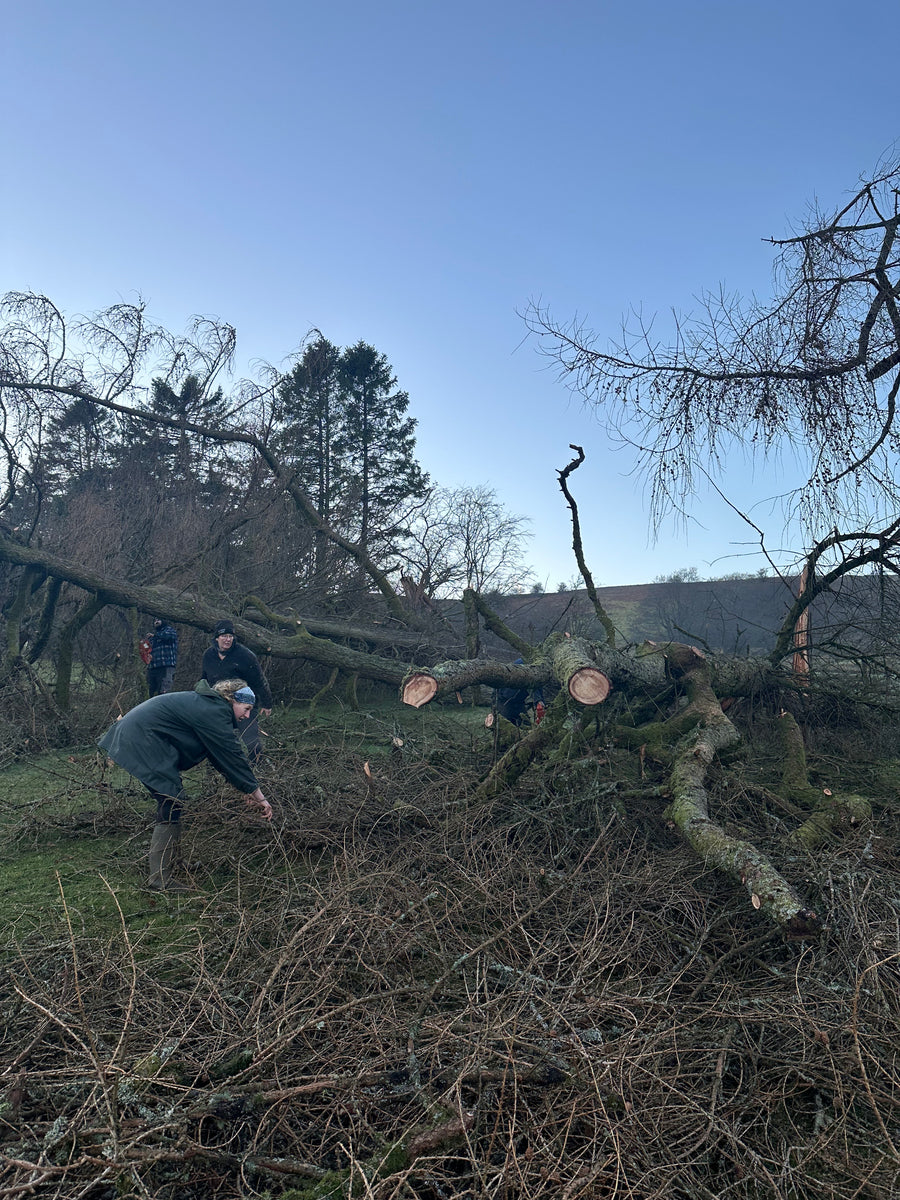
Fallen branches, storm-damaged timber and offcuts - wood nobody wants, collected on the farm.
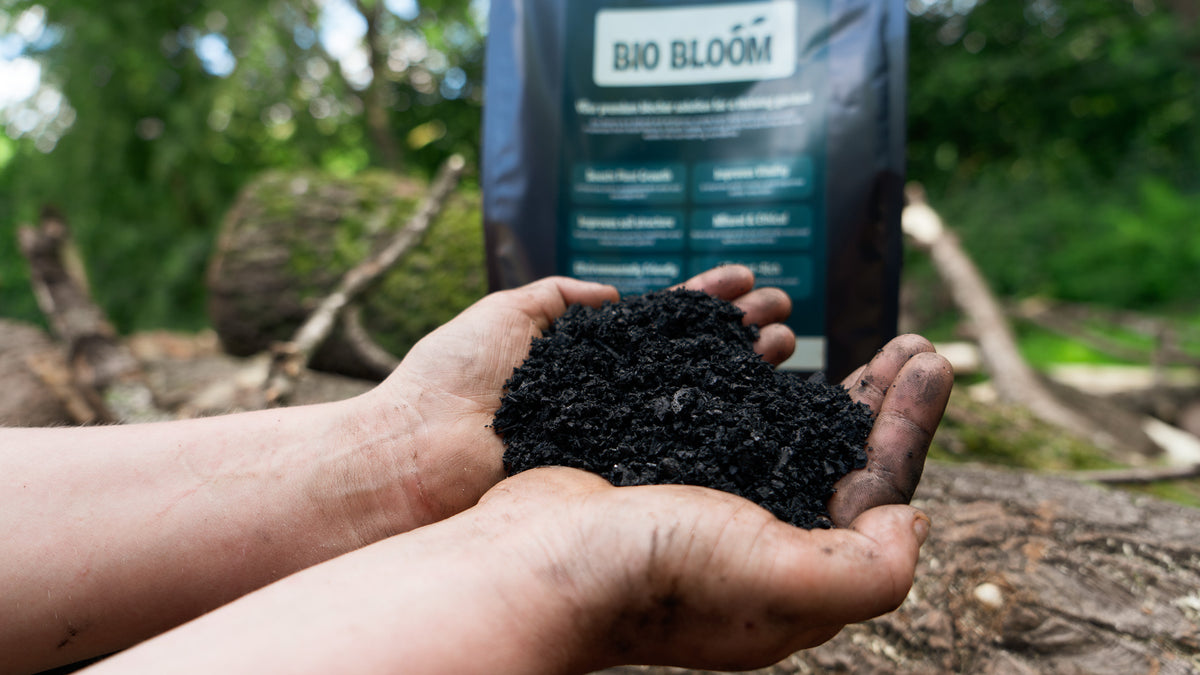
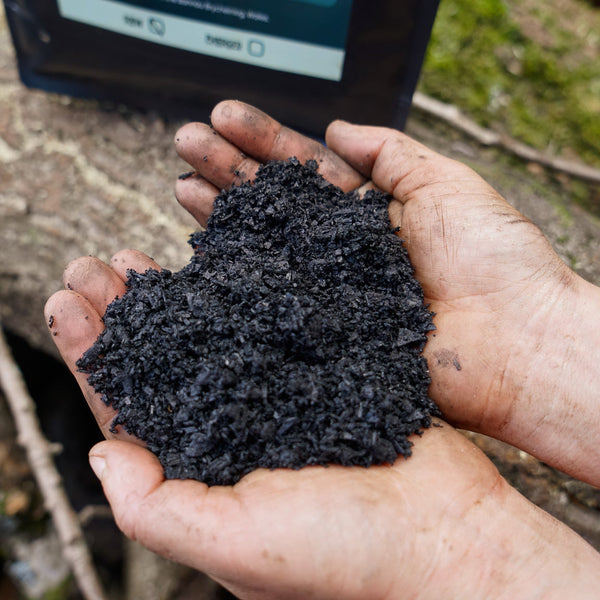
Regenerative biochar & wood vinegar, made from windfall timber and natural rainwater. Dig it in once - it keeps holding water, feeding soil life and locking carbon for years.
Trusted by no-dig & regenerative growers across the UK
Made for UK growers
Practical soil care for gardens, beds and containers
Buy it once
A one-time soil upgrade, not a yearly refill
Small-batch made
Produced and packed by the same small team
UK delivery
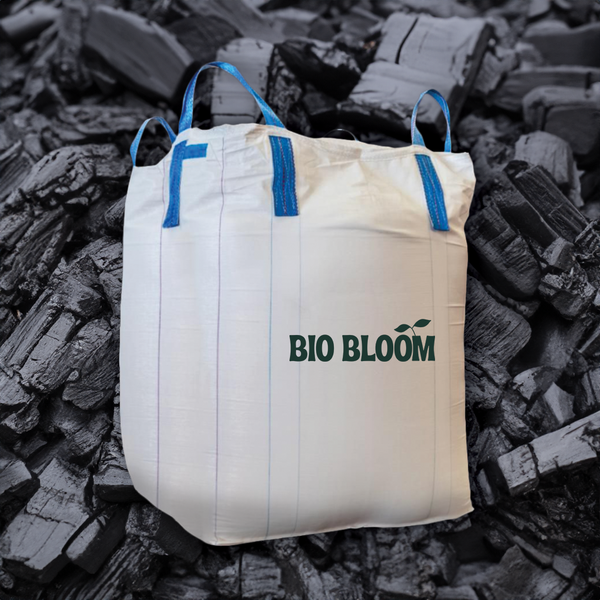
Shipped anywhere in the UK in 2-5 days (excluding wholesale)
Shop the range
Not sure which to pick? Charged is ready to dig in for instant results. Raw is for growers who like to charge their own.
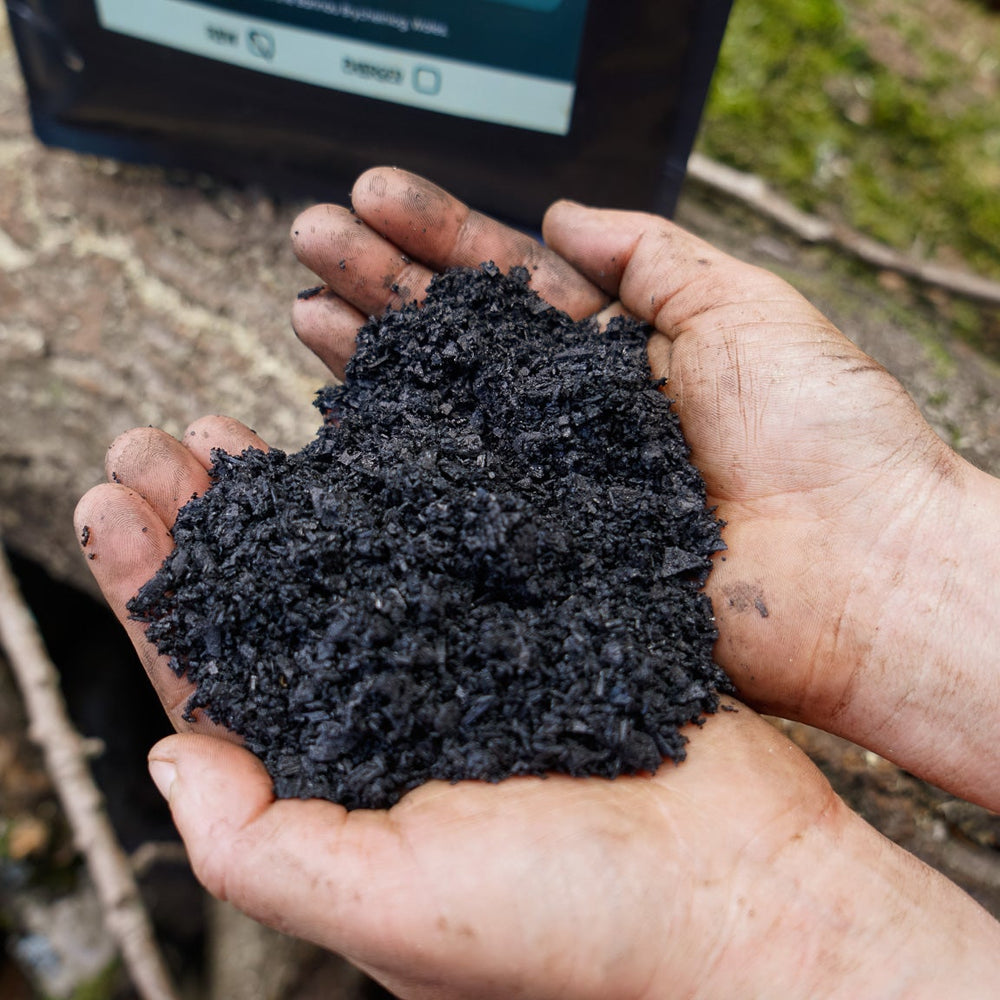 Best for beginnersReady to use
Pre-loaded with nutrients and microbes. Ready to dig in.
From
£12.00
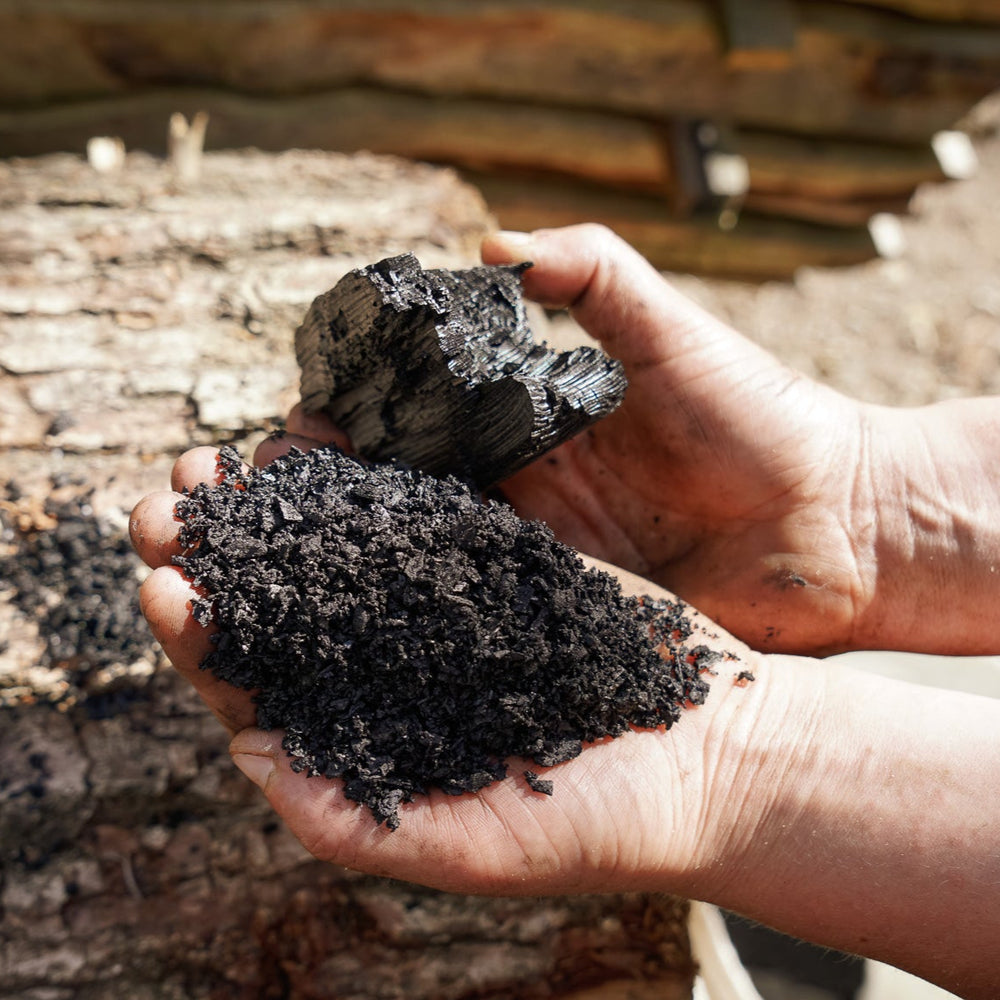 Best valueCharge your own
Untreated biochar for growers who like to charge their own.
From
£10.00
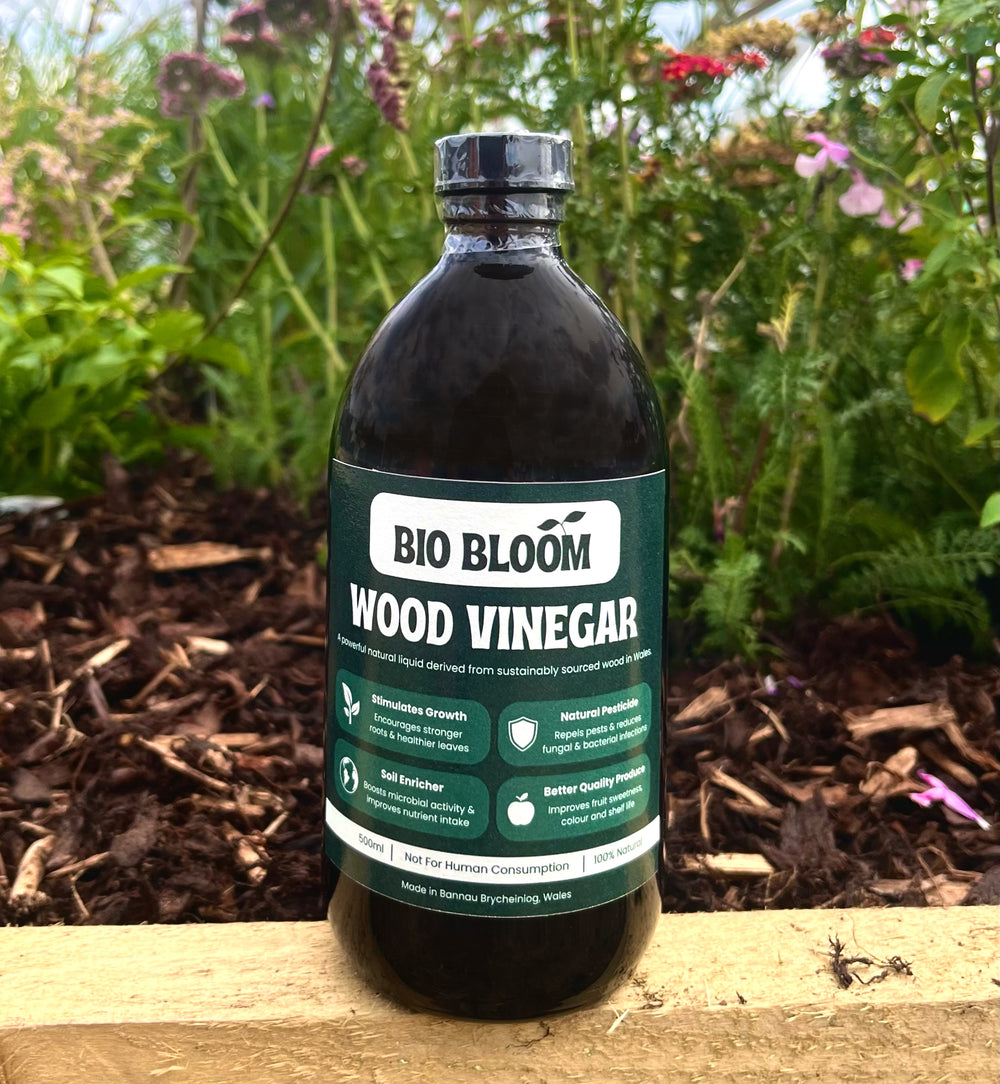 Liquid biostimulant
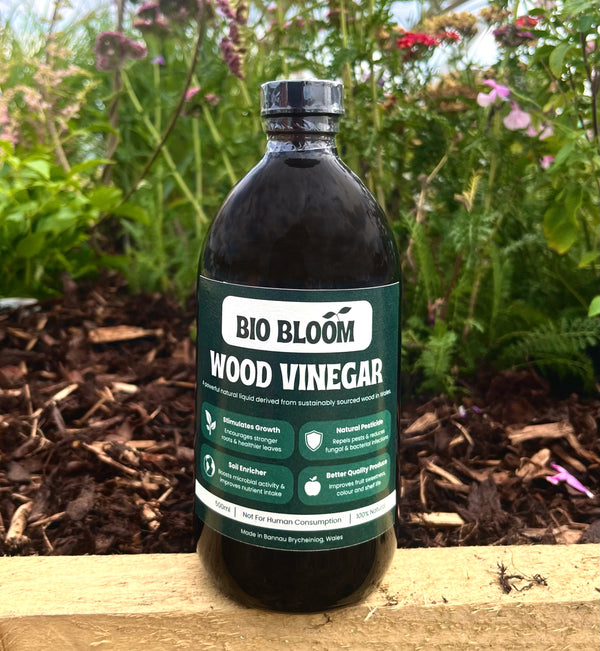
Natural tonic for soil, compost and pest pressure.
From
£14.00
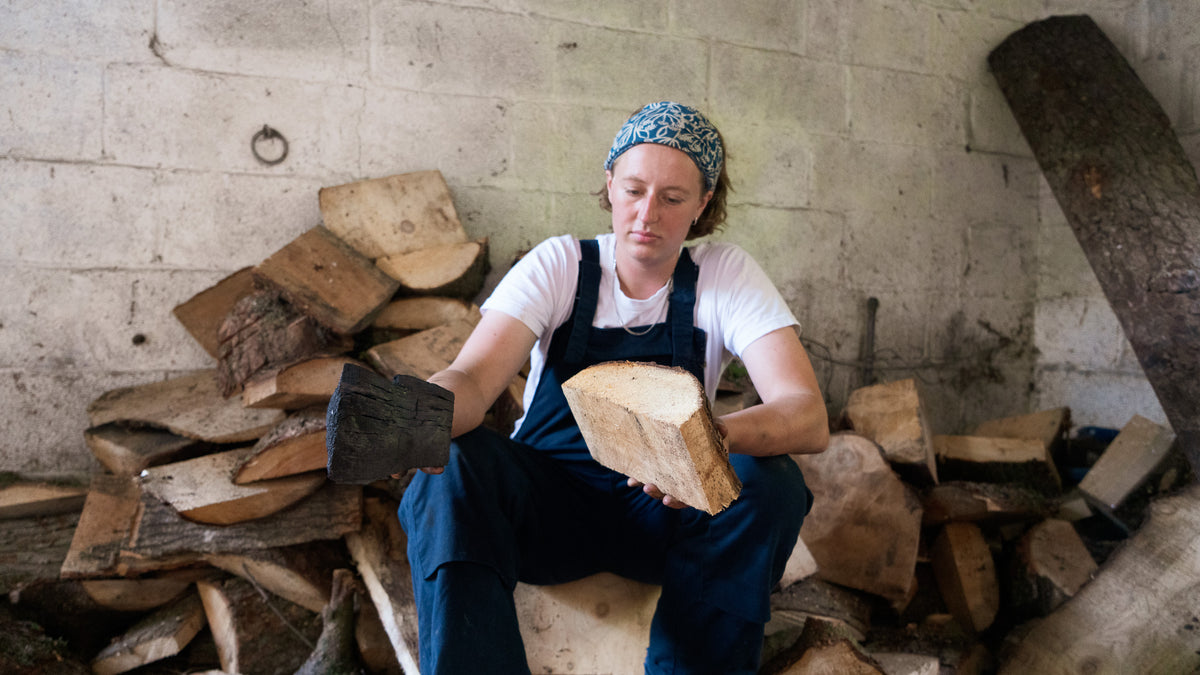
The long game
Worked in once, Bio Bloom keeps holding water, housing microbes and locking carbon for years - long after compost and fertiliser have washed away.
How it's made
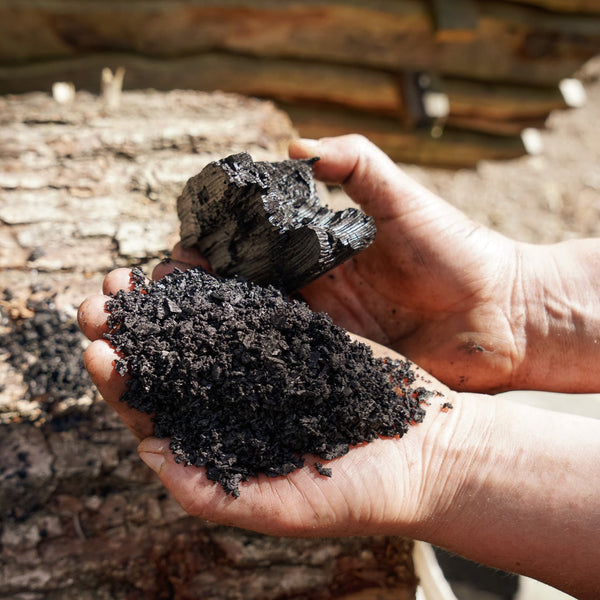
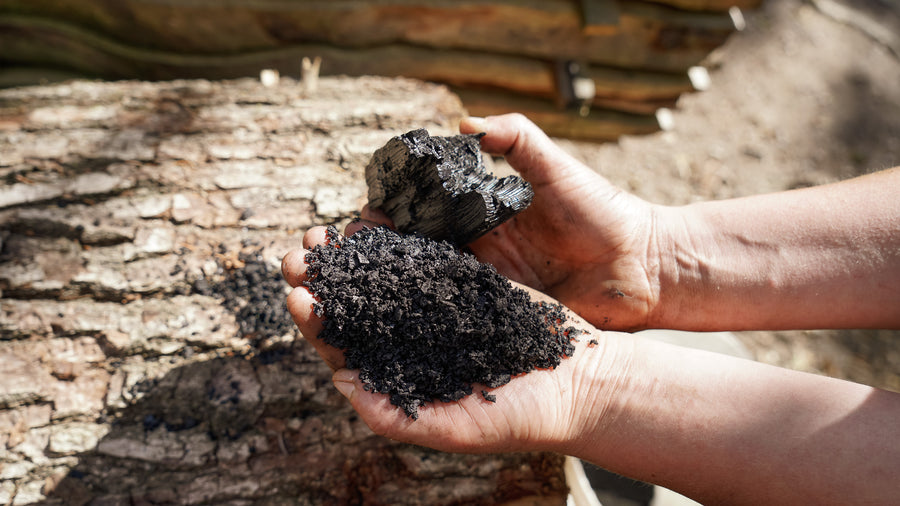
Bio Bloom Biochar is made by heating wood with very little oxygen - a process called pyrolysis. It's an old technique that does something genuinely useful: it locks carbon into a form that stays in the soil for hundreds of years, while giving soil a lasting boost in structure and water retention.
Fallen branches, storm-damaged timber and offcuts - wood nobody wants, collected on the farm.
Heated slowly with very little oxygen. No burning to ash - the carbon is locked into a stable structure.
The solid becomes biochar; the vapour is condensed and filtered into wood vinegar. Nothing wasted.
Worked into the ground, biochar keeps improving soil for years - a one-time upgrade, not a refill.
"Dug this into two raised beds in spring. Through the July dry spell they held moisture far better than the beds I didn't treat. Genuinely impressed."
Meredith H.
"I charge my own with compost tea so raw is perfect. Great quality, properly made, and lovely to buy direct from the farm rather than a faceless brand."
Tom R.
"A little goes a long way once diluted. My seedlings look noticeably stronger and the compost heap stopped smelling. Will reorder."
Siân L.
"Bought the bundle to trial on our worst bed, heavy clay. A season on it's the easiest bed to work."
James P.
"The beds keep moisture better and the plants seem stronger. Properly useful stuff, not garden-centre filler."
Anna & Dei
"Clear instructions, fast delivery and a really thoughtful product. The wood vinegar has become part of my compost routine."
Rhian M.
How biochar improves your soil
Its porous structure increases pore space, helping air and water move around plant roots.
Bio Bloom biochar provides a porous habitat where beneficial soil microorganisms can colonise and thrive.
It supports porosity and aggregation, creating a more open, stable structure and better conditions for roots.
Tiny pores hold water and increase soil water-holding capacity, keeping moisture available for longer.
Its large surface area helps retain nutrients, reduce leaching and keep them available to plants.
Is it worth it?
| Metric | Bio-Bloom Biochar | Compost / mulch | Synthetic fertiliser |
|---|---|---|---|
| How often you apply it | ✓Once | Every season | Every few weeks |
| Water retention | ✓Improves it structurally | Modest, temporary | None |
| Carbon impact | ✓Sequesters CO2 | Neutral to modest | Carbon-intensive |
| Sourcing | ✓Windfall wood + rainwater | Varies | Manufactured |
| Ongoing cost | ✓One-time investment | Recurring | Recurring |
From the farm




Good questions
Everything most growers ask before they start using Bio-Bloom biochar and wood vinegar.
Biochar is a stable, carbon-rich material made by heating biomass, such as wood, in a low-oxygen environment through a process called pyrolysis. Biochar has a highly porous structure that can help improve soil structure, moisture retention, nutrient retention, aeration and microbial activity. Unlike compost, which gradually breaks down, biochar is a long-lasting material that can remain in the soil for many years.
Charged Biochar is biochar that has already been loaded with nutrients and beneficial microorganisms before it is added to your soil. Bio Bloom Charged Biochar is infused with a plant-based nutrient solution and biological activity, meaning it is ready to use straight from the bag. Because it has already been charged, you do not need to soak, compost or prepare it before applying it to your garden, pots, raised beds or growing media.
Raw Biochar is untreated biochar that has not yet been loaded with nutrients or biological activity. Raw biochar is highly porous and can be used by gardeners and growers who want to charge it themselves using materials such as compost, manure, liquid fertiliser, wood vinegar or other nutrient-rich solutions.
The main difference is preparation. Raw Biochar is untreated and should ideally be charged before being incorporated into soil. Charged Biochar has already been loaded with nutrients and beneficial biology, so it can be used immediately. If you want the simplest option with no preparation, choose Charged Biochar. If you prefer to prepare your own biochar using your own compost, nutrients or soil inputs, Raw Biochar gives you more flexibility.
Yes. We recommend charging Raw Biochar before mixing it directly into soil. Raw biochar is highly porous and can absorb nutrients from its surroundings. Charging it first helps ensure that the biochar is already loaded with nutrients and biology rather than competing with your soil for available nutrients. You can charge raw biochar using compost, liquid fertiliser, manure tea, wood vinegar or other suitable nutrient-rich materials.
Mix your Raw Biochar with a nutrient-rich material such as compost, liquid fertiliser, manure tea, wood vinegar or seaweed extract. Allow the biochar to absorb the nutrients for approximately 7–14 days before incorporating it into your soil or growing medium. The aim is to fill the porous structure of the biochar with nutrients and beneficial biology before it goes into the soil.
For general soil improvement, Bio Bloom recommends using approximately 5–10% biochar by volume in soil, compost or growing media. The exact amount can vary depending on the soil, growing system and intended use. For established beds, pots and raised beds, it is usually best to mix the biochar evenly through the growing medium rather than applying an excessively thick layer in one place.
Still deciding? See all questions →
One application. Years of healthier, more productive, vibrantly alive soil, hand-made on our South Wales hill farm.